
Well water testing & treatment in Collin County
Out past 380 — around Celina, Weston, Anna, and the edges of Prosper — plenty of homes still run on private wells. No utility tests that water. Nobody sends you an annual report. Treating it well starts with finding out what's actually in it.
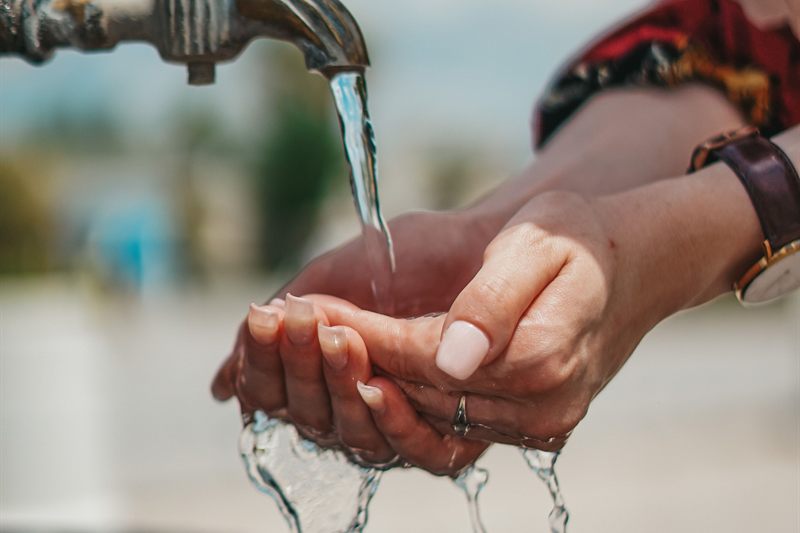
Testing comes first. Always.
City water is a known quantity. Every home on the NTMWD system gets the same water, tested constantly, documented in an annual report. We can quote a softener for a house in Frisco over the phone because we already know what's coming out of the tap.
A well is the opposite. Two houses a quarter-mile apart can draw from different depths and get water that needs completely different treatment. Iron, sulfur, hardness, nitrates, and bacteria all vary — and the equipment for each is different.
So if anyone quotes you a well water system before seeing test results, they're selling you a package and hoping it fits. We test first, then quote to the results. Sometimes that means a smaller system than you expected. Occasionally it means your water is fine and you don't need us.
What we test for
| Test | What it tells you | Sign you'd notice |
|---|---|---|
| Coliform bacteria | Whether surface contamination is reaching the well | Usually none — this is why you test |
| Nitrates | Agricultural or septic influence | None. Matters most for infants |
| Iron | Staining and resin fouling risk | Orange/brown stains, metallic taste |
| Manganese | Often occurs with iron, treated differently | Black or dark brown staining |
| Hydrogen sulfide | Sulfur gas, dissolved or bacterial | Rotten egg smell |
| Hardness | Sizing for a softener | Scale, spots, poor lathering |
| pH | Corrosivity; drives treatment choices | Blue-green staining if acidic |
| TDS | Total dissolved solids overall | Flat or salty taste |
Bacteria and nitrates are the two that matter for health — the rest are nuisance and equipment issues. Those two are also the ones with no taste, no smell, and no visible sign. A well can look and taste perfect and still test positive, which is exactly why annual testing is the recommendation even when nothing seems wrong.
How each problem gets treated
Iron and manganese
Dissolved iron is invisible at the tap and oxidizes into rust stains on contact with air. Under about 3 ppm, a softener can often handle it alongside hardness. Above that it fouls the resin and destroys the system, so it needs its own stage first — usually an oxidizing filter that converts the iron to a solid and traps it. Manganese frequently rides along with iron and typically needs a higher pH to treat effectively.
Sulfur smell
Hydrogen sulfide, from either well chemistry or sulfur-reducing bacteria. Treatment depends on which, and on concentration — oxidizing filters for lower levels, aeration plus filtration for higher. One thing to check first: if the smell is only on the hot water side, it's often the magnesium anode rod in your water heater reacting with the water. Swapping that rod is a far cheaper fix than a whole-house system, and it's worth ruling out before anyone sells you equipment.
Bacteria
A positive coliform result means shock-chlorinating the well and retesting. If it comes back positive again, something structural is letting surface water in — a cracked casing, a bad seal, a wellhead too close to grade — and that's a well contractor's job before it's a treatment job. For ongoing protection, UV disinfection is the standard: no chemicals, no taste, but it requires genuinely clear water to work, so sediment filtration goes ahead of it.
Sediment
Sand and silt from the formation or a failing well screen. A spin-down or cartridge pre-filter is the first stage in essentially every well system — it protects everything downstream, and it's the cheapest component in the train.
Hardness
Well water in this area is frequently harder than the municipal supply. A softener handles it the same way it would in town, but it goes after iron and sediment treatment, never before.
Order matters
Sediment
Physical particles out first, so nothing downstream is grinding through sand.
Iron / sulfur
Oxidation and filtration before the softener, so resin never sees what would foul it.
Softening
Hardness removed once the water reaching the resin is clean.
Disinfection
UV last, on water clear enough for the light to actually penetrate.
Get the sequence wrong and you'll replace equipment early. It's the most common thing we find on well systems somebody else installed — a good softener destroyed within two years because it was plumbed ahead of the iron filter instead of behind it.
What it costs
We quote well systems only after testing — a number before then would be a guess. What we can tell you is how the pieces price out, so you know roughly what range you're in:
- Water testing — comprehensive panel; ask us about current pricing when you call.
- Sediment pre-filtration — the least expensive stage, and always worth it.
- Iron / sulfur filtration — the stage with the widest range, because it scales directly with concentration.
- Softening — similar to a city install, $1,500–$3,500 depending on size.
- UV disinfection — modest equipment cost, plus an annual lamp replacement.
A simple well needing sediment and softening lands not far off a city install. A well with heavy iron, sulfur, and a bacteria history needs a full treatment train and costs considerably more. Testing is what tells us which one you have.
- Water softenersHow sizing works — same principles on a well, after pre-treatment.
- Reverse osmosisDrinking water polish at the kitchen tap, after whole-house treatment.
- Celina & north countyWhere most of our well work is — city water and wells side by side.
- Cost guidePricing for every system type we install.
Common questions
How often should I test my well?
Annually for bacteria and nitrates at minimum. Also any time taste, smell, or appearance changes, after work on the well or pump, after flooding, and before buying a home on a private well.
Why does my well water smell like rotten eggs?
Hydrogen sulfide — either well chemistry or sulfur bacteria. If the smell is only on the hot side, check the water heater's anode rod first; that's a much cheaper fix than whole-house treatment.
What causes the orange stains in my sinks?
Dissolved iron oxidizing when it hits air. Black or dark brown staining usually means manganese instead, which needs a different approach.
Can I just put a softener on my well?
Only after testing. A softener can handle modest iron alongside hardness, but past roughly 3 ppm it fouls the resin and ruins the system. Sulfur, bacteria, and sediment need their own stages.
Is my well water safe to drink?
There's no way to know without testing — bacteria and nitrates have no taste, smell, or color. That's the honest answer, and it's why we won't quote equipment before we've seen results.
Start with a well water test
Tell us what you're seeing — staining, smell, taste, or just the fact that it's never been tested. We'll test, walk you through the results, and quote only what those results call for.
Or request a quote online — we usually call back the same day.